Exploring the Elegance of Italian Furniture
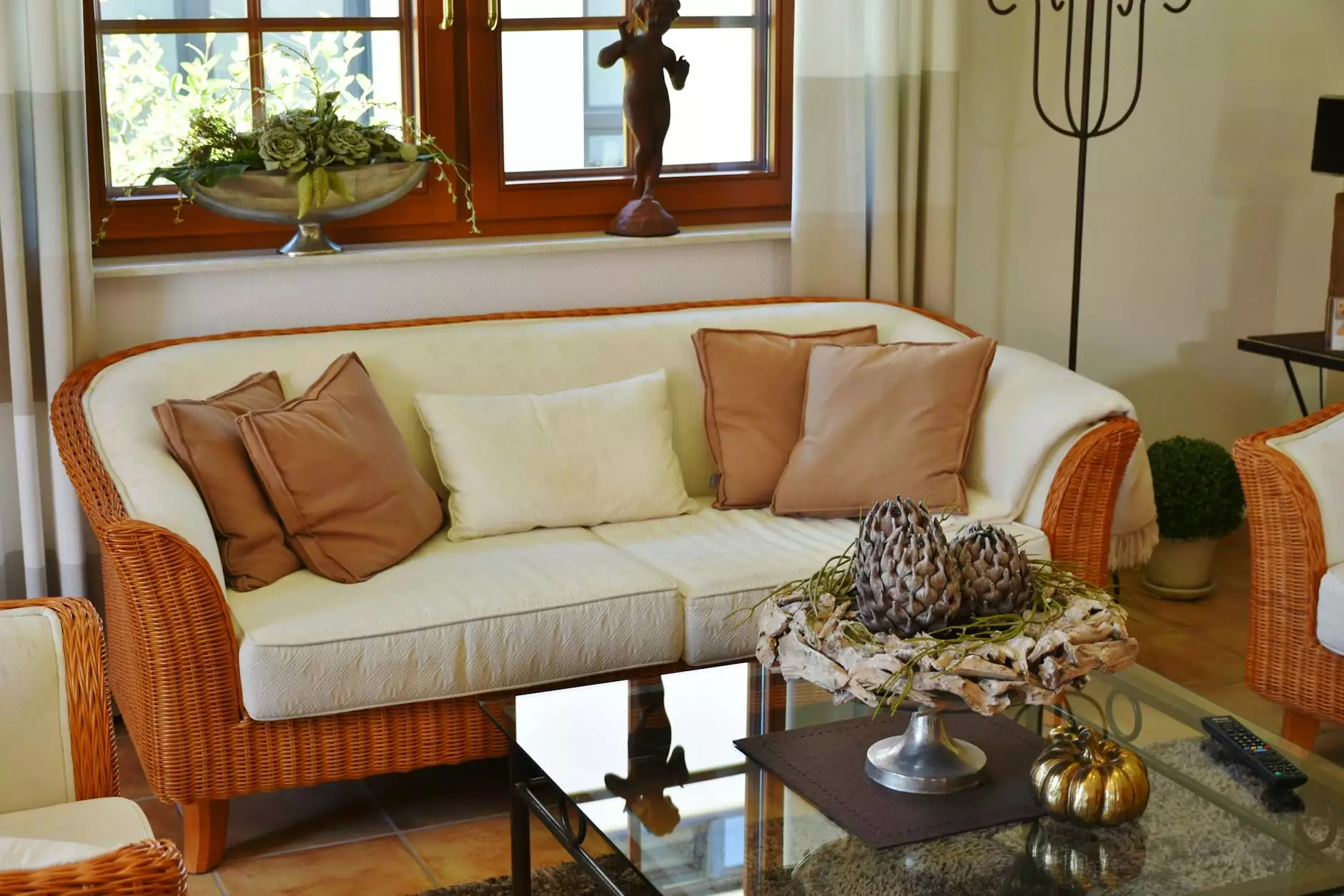
Italian furniture has long been synonymous with style, quality, and craftsmanship. Renowned globally for its luxurious designs and superior materials, Italian furniture embodies the spirit of sophistication and elegance that many homeowners aspire to achieve. In this comprehensive article, we will delve into the history, design principles, materials, benefits, and current trends of Italian furniture, ensuring you have all the knowledge you need whether you're looking to furnish your new home or simply wanting to appreciate the art that is Italian craftsmanship.
The Rich History of Italian Furniture
The journey of Italian furniture is deeply rooted in history. From the Renaissance period, when artisans began to blend art and functionality, to the modern contemporary pieces of today, Italian furniture has evolved significantly. Historical influences such as the Baroque and Rococo styles play a crucial role in defining the opulence and grandeur associated with Italian design.
- Renaissance (14th - 17th Century): Marked by intricate designs and a revival of classical philosophy, furniture became a statement of wealth and art.
- Baroque (17th Century): Featured extravagant details and rich materials, emphasizing grandeur and drama.
- Futurism (20th Century): A movement that aimed at revolutionary design; showcasing movement, speed, and modernity.
Each era contributed to the rich diversity found in Italian furniture today, making it highly sought after by collectors and homeowners alike.
Design Principles of Italian Furniture
Italian design is characterized by several key principles that distinguish it from other global styles. Understanding these design principles can help you appreciate and select the right pieces for your space:
- Elegance: Every piece of Italian furniture is designed with an eye for elegance, emphasizing sleek lines and sophisticated curves.
- Functionality: Italian designers create pieces that are not only beautiful but also practical, ensuring they meet the needs of everyday living.
- Artisan Craftsmanship: Handcrafted quality is paramount; artisans often utilize traditional techniques passed down through generations, resulting in unique, high-quality pieces.
- Innovation: Continuous evolution in design that embraces new materials and technologies while honoring traditional craftsmanship.
These design principles converge to form a functional yet artistic piece that serves as both a utility and a focal point in any home.
Materials Used in Italian Furniture
One of the hallmarks of Italian furniture is the use of high-quality materials. The selection of materials is integral to the longevity and aesthetic appeal of the furniture. Common materials include:
- Wood: Solid woods like oak, walnut, and cherry are frequently used, often finished with rich stains to enhance their natural beauty.
- Leather: Luxurious leather upholstery is a staple in Italian design, offering comfort and elegance.
- Marble: Frequently incorporated in tabletops and accents, marble adds a touch of grandeur to furniture pieces.
- Metal: Innovatively used in frames and accents, metals can provide a modern touch to traditional designs.
These materials not only contribute to the opulent look but also ensure the durability and functionality of the furniture.
Benefits of Choosing Italian Furniture
Investing in Italian furniture means investing in quality and style. Here are several benefits to consider:
- Timeless Style: Italian furniture maintains a classic appeal that transcends trends, making it a lasting investment.
- Exceptional Quality: With a focus on craftsmanship and high-quality materials, Italian pieces tend to have a long lifespan.
- Adaptability: Italian designs can suit various tastes, from modern minimalist to traditional opulence.
- Increased Home Value: Well-chosen Italian furniture can enhance the overall value of a home, appealing to potential buyers.
Current Trends in Italian Furniture
As we navigate through the 21st century, Italian furniture continues to evolve, reflecting modern tastes while keeping the essence of traditional craftsmanship. Here are some trends that are currently shaping the industry:
- Sustainable Design: An increasing number of manufacturers are focusing on eco-friendly practices and sustainable materials, minimizing environmental impact.
- Minimalism: Clean lines and understated elegance are gaining popularity, matching the modern demand for simplicity.
- Multi-Functional Pieces: As urban living spaces become smaller, the need for versatile and space-saving furniture is on the rise.
- Customized Solutions: Many Italian designers now offer personalization options, allowing customers to create bespoke pieces tailored to their specific needs.
How to Incorporate Italian Furniture into Your Home
Incorporating Italian furniture into your home can be an exciting experience. Here are some helpful tips for seamlessly blending it into your space:
1. Select a Focal Point
Choose a statement piece, such as a beautifully crafted dining table or an artistic sofa that will draw attention and set the tone for the room.
2. Pair with Complementary Accents
Utilize other elements of Italian design, like art or decor, to create a cohesive look. This can include Italian ceramics, textiles, or lighting fixtures.
3. Mind the Color Palette
Italian furniture often emphasizes natural hues; consider a neutral color palette that will allow your pieces to stand out while maintaining a harmonious environment.
4. Consider Scale and Proportion
Make sure to choose pieces that fit the scale of your space. Oversized items in a small room can feel overwhelming, while small items in a large room can get lost.
5. Embrace Functionality
Choose pieces that serve dual purposes, like a coffee table with storage, to maximize utility without sacrificing style.
Quality Assurance when Purchasing Italian Furniture
To ensure you are investing in authentic Italian furniture, consider the following tips:
- Research Brands: Familiarize yourself with reputable Italian furniture brands known for their quality craftsmanship.
- Check Certifications: Look for certifications or labels that ensure authenticity and adherence to quality standards.
- Visit Showrooms: Whenever possible, visit showrooms to see and feel the furniture for yourself. This allows you to assess the quality firsthand.
- Read Reviews: Look for customer feedback and reviews about the retailer and their products to make an informed decision.
The Future of Italian Furniture
The future of Italian furniture seems bright as innovations continue to emerge. As a mixture of tradition and modernity, Italian designers are likely to explore:
- Smart Furniture Solutions: Integrating technology into furniture design for enhanced functionality, such as built-in charging ports.
- Collaboration with Artists: Merging fine art with furniture design to create unique, one-of-a-kind pieces.
- Global Influences: As the world becomes more connected, we can expect a blending of different cultural aesthetics into Italian design.
Final Thoughts on Italian Furniture
In summary, Italian furniture is not just about furnishing a space; it represents a lifestyle, a choice of quality over quantity, and a respect for artistry. Whether you are enhancing your home with elegant pieces or appreciating the craftsmanship, investing in Italian furniture is indeed an admirable choice. Its ability to transcend time and trends, while echoing a rich heritage, makes it a staple in homes around the globe.
As you navigate the world of Italian furniture, remember that each piece tells a story, and each design choice reflects your unique taste and personal style. Embrace the elegance and sophistication that Italian furniture brings to your life, and allow your living space to thrive in style and comfort.