The Intriguing World of the Breed of Rooster Fighting
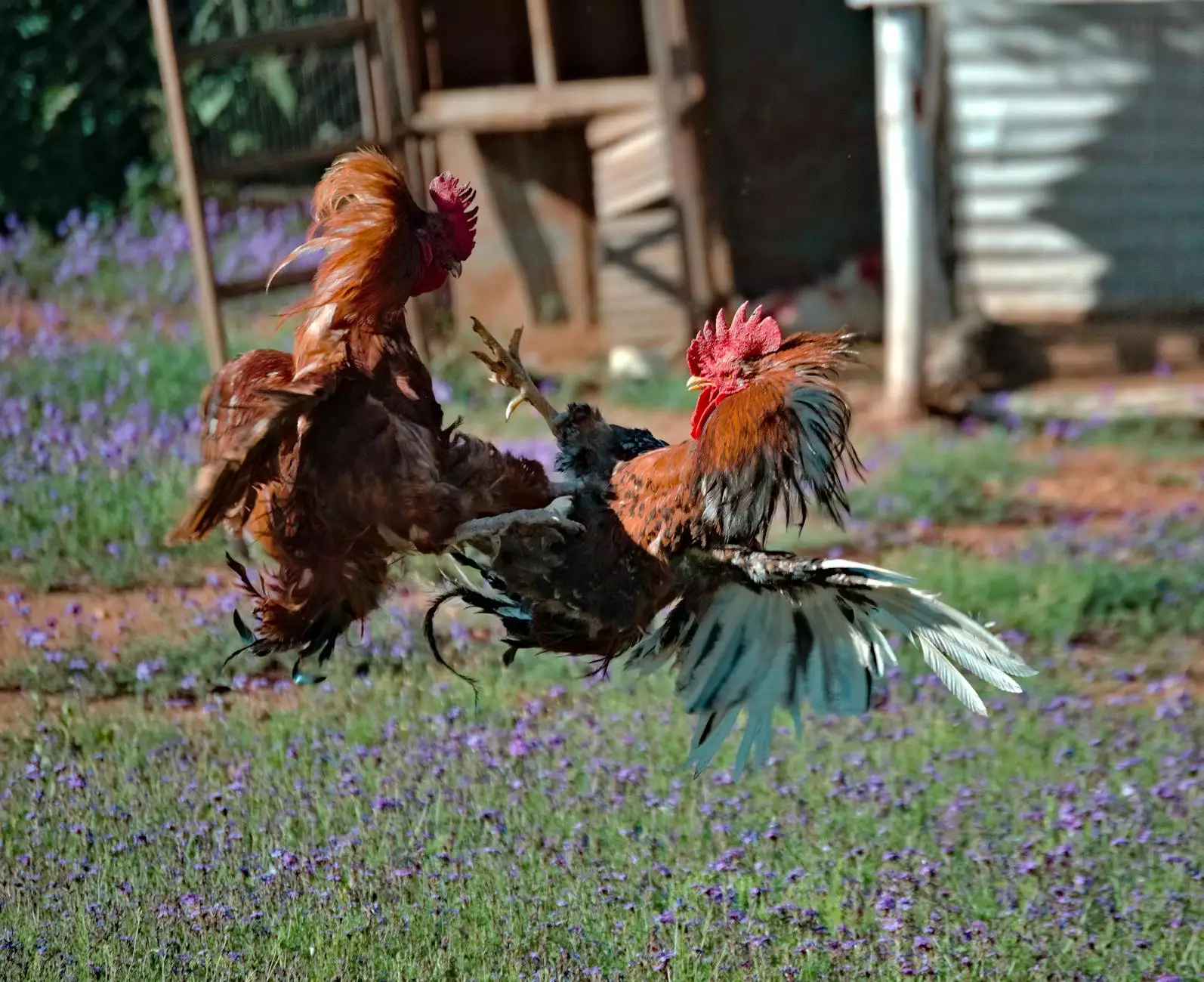
Rooster fighting, a traditional sport that has captivated many cultures worldwide, involves the intense competition between specially bred and trained roosters. This article delves into the details surrounding the breed of rooster fighting, exploring its rich history, breeding techniques, and the rising popularity within the sports betting arena.
History of Rooster Fighting
The origins of rooster fighting can be traced back thousands of years, with evidence found in various ancient civilizations. From the gladiators of Rome to the remote villages of Southeast Asia, the passion for rooster fighting has transcended geographical boundaries.
- Ancient Spiritual Roots: Many cultures saw roosters as symbols of courage and ferocity.
- Combat History: Early battles between roosters were often seen as training for warriors.
- Cultural Significance: In parts of Asia and Latin America, rooster fighting holds deep cultural significance, often associated with local traditions and festivals.
The Breed of Rooster Fighting
The breeds specifically developed for fighting are unique in their characteristics. Breeders focus on various traits to ensure the superior performance of these birds in the arena. Here are some of the most renowned breeds:
1. American Game
This breed is known for its aggression and stamina. With a long history in the United States, the American Game has become a favorite among breeders and fighters alike.
2. Asil
The Asil breed hails from India and is recognized for its strength and resilience. It possesses a unique fighting style that often overwhelms opponents.
3. Nankin
Famed for its small size, the Nankin is surprisingly fierce. Their agility in the ring makes them a favorite in many arenas.
4. Shamo
Originating from Japan, the Shamo is known for its impressive stature and fierce fighting spirit. Shamo birds often engage in powerful attacks, making them formidable contenders.
Breeding Techniques
The art of breeding roosters for fighting involves meticulous planning and execution. Breeders employ various strategies to produce the ideal fighting bird, focusing on aspects such as:
- Genetics: Understanding the genetic traits that yield successful fighters is crucial. Breeders often select parents based on their performance records.
- Health and Nutrition: Proper nutrition is vital for young birds. Breeders often invest in high-quality feed that enhances strength and agility.
- Training Regimen: Once the chicks mature, rigorous training begins. This includes strength building and exposure to simulated fighting situations.
The Role of Sports Betting in Rooster Fighting
With the rise of online platforms, betting on rooster fights has gained momentum, attracting enthusiasts globally. The following factors contribute to the booming industry surrounding the breed of rooster fighting:
1. Accessibility
Online betting platforms, such as sabong-international-online.com, have made it easier for individuals to place bets from the comfort of their homes. This accessibility has led to an increase in participation and interest in the sport.
2. Community and Culture
Rooster fighting has a vibrant community of fans and breeders who actively participate in discussions and events. Betting fosters a sense of camaraderie among enthusiasts, as they cheer for their favorite breeds and competitors.
3. Knowledge and Strategy
Successful betting relies on understanding the dynamics of rooster fighting. Bettors often conduct extensive research on various breeds, fighters, and fight conditions to make informed decisions.
The Ethics of Rooster Fighting
While rooster fighting is celebrated in many cultures, it also faces criticism and ethical questions. Understanding the complexities of this issue is vital:
- Animal Welfare: Advocates for animal rights argue that the sport promotes violence and suffering. It is essential for breeders and fighters to take ethical considerations seriously.
- Regulatory Framework: In many regions, laws govern rooster fighting to ensure humane practices. Support for regulatory measures can elevate the sport's status and protect it from illicit practices.
- Education and Awareness: Promoting responsible breeding and training practices can lead to a more widely accepted form of the sport.
Conclusion
The breed of rooster fighting is not just a mere pastime; it represents a deep-rooted tradition that spans centuries and cultures. As the sport evolves, so does the industry surrounding it, connecting enthusiasts through the thrill of competition and the excitement of betting.
By celebrating the rich history, ethical considerations, and the burgeoning betting market, we can transform the perception of rooster fighting into a respected sport that respects both the animals and the culture surrounding it.
For those drawn to this captivating world, staying informed about breeding techniques and ethical practices is crucial. With the right approach, the future of rooster fighting may soar to new heights while maintaining its historical integrity.