Enhancing Business Security with Advanced Surveillance Systems
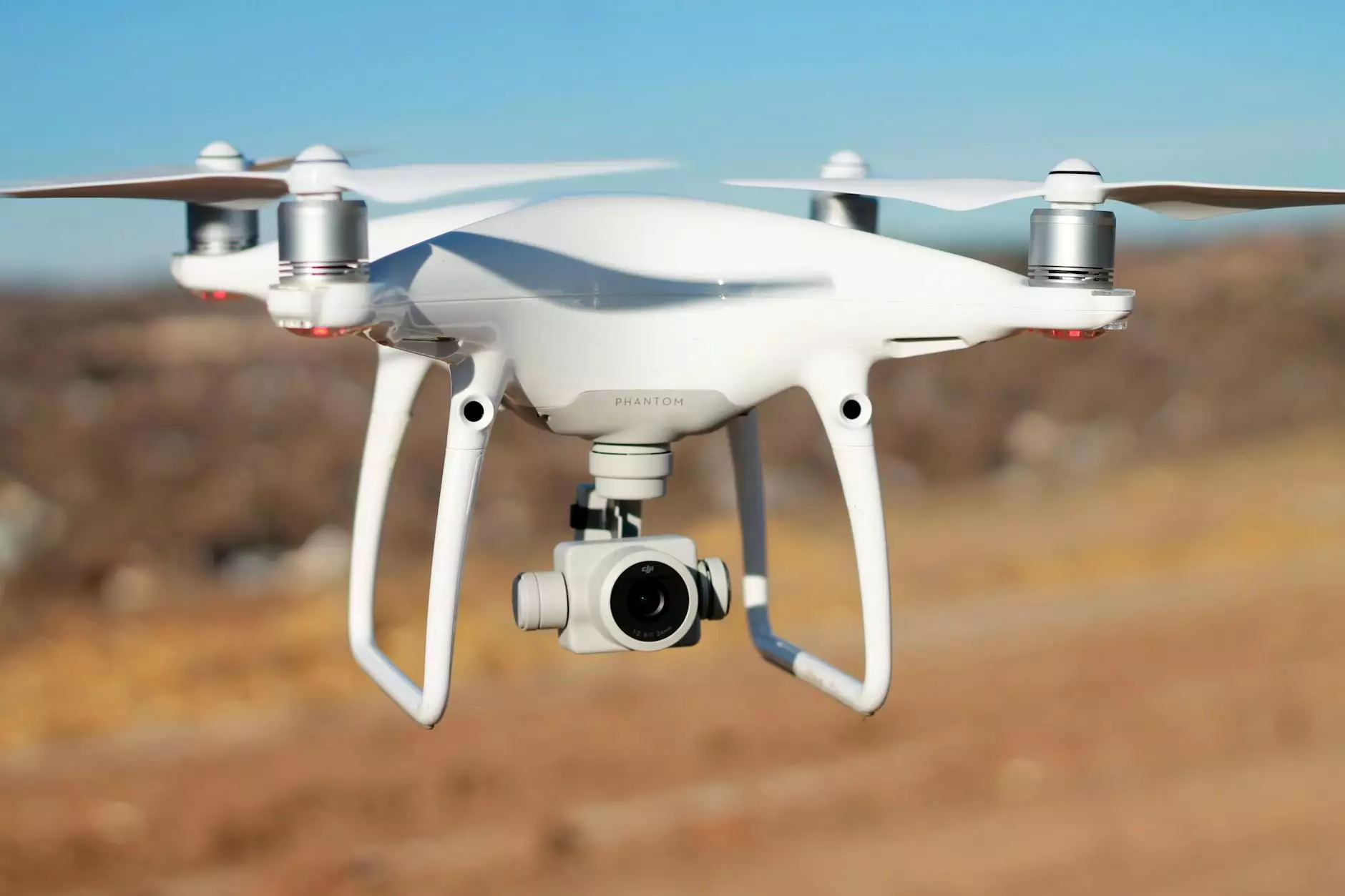
In the rapidly evolving landscape of business operations, maintaining a secure environment is paramount. A robust security surveillance system plays a critical role in safeguarding company assets, ensuring employee safety, and enhancing operational efficiency. This comprehensive article delves into the benefits, components, and implementation strategies of an effective business surveillance system.
Understanding the Importance of Security Surveillance Systems
Today's businesses face a myriad of challenges, from internal threats to external criminal activities. A well-designed security surveillance system mitigates these risks by providing real-time monitoring and recorded evidence of events that could jeopardize business operations.
1. Deter Criminal Activity
Criminals are less likely to target premises that are monitored by a security surveillance system. The presence of visible cameras acts as a deterrent, reducing the chances of theft and vandalism. When employees and customers see that their safety is prioritized, their trust in the business increases.
2. Monitor Employee Productivity
In addition to protecting physical assets, a security surveillance system can help monitor employee productivity. Businesses can analyze the footage to understand workflows better, identify bottlenecks, and enhance overall efficiency. This oversight leads to a more productive work environment.
3. Evidence Collection and Dispute Resolution
In cases of disputes, whether related to customers or employees, recorded footage from a security surveillance system serves as invaluable evidence. It protects businesses from false claims and provides a clear account of events, ensuring fair resolution of conflicts.
4. Improve Emergency Response
During emergencies, having a security surveillance system in place can significantly improve response times. Whether it's a medical emergency or a fire, real-time video feeds enable security personnel to assess the situation promptly and take appropriate actions.
Components of an Effective Security Surveillance System
A robust security surveillance system consists of several components that work together to provide comprehensive coverage. Understanding these components is crucial for businesses looking to enhance their security framework.
1. Cameras
Cameras are the backbone of any security surveillance system. They can vary widely in terms of resolution, type, and functionality. Key features include:
- High Definition (HD) Resolution: Provides clearer images crucial for identifying faces and license plates.
- Night Vision: Ensures visibility in low-light conditions, helping to monitor premises 24/7.
- PTZ (Pan-Tilt-Zoom) Capabilities: Allows users to focus on specific areas in detail.
2. Digital Video Recorders (DVR) and Network Video Recorders (NVR)
These devices are essential for storing and managing video footage. A DVR is typically used with analog cameras, while an NVR is designed for digital IP cameras. Key aspects include:
- Storage Capacity: The ability to store footage for a set period, which is crucial for reviewing security events.
- Remote Access: Facilitates monitoring from anywhere, allowing business owners to check in on their property in real-time.
3. Monitors and Control Systems
Monitors enable security personnel to view live feeds from cameras. A quality control system allows users to manage multiple cameras simultaneously, providing a comprehensive view of the premises.
4. Software Integration
The integration of software can enhance the capabilities of a surveillance system. This includes:
- Motion Detection Alerts: Notifies users instantly if movement is detected in restricted areas.
- Facial Recognition Technology: Improves security by identifying known individuals.
How to Implement a Security Surveillance System
Implementing a security surveillance system requires careful planning and execution. Here’s a guide to help businesses set up an effective surveillance solution.
1. Assess Your Needs
Begin by conducting a risk assessment to determine what areas of the business require surveillance. Consider the following:
- High-value inventory areas
- Staff entrances and exits
- Customer-facing zones
2. Choose the Right Equipment
Based on the assessment, select cameras and recording systems that cater to your specific needs. Invest in quality equipment as this contributes to clearer images and more reliable performance.
3. Professional Installation
Enlist the help of professionals for installation. Correct placement of cameras and proper wiring is vital for maximizing coverage and effectiveness.
4. Regular Maintenance and Updates
Regularly check and maintain your security surveillance system to ensure it functions optimally. This may involve software updates, cleaning cameras, and checking storage capacity.
Best Practices in Using a Security Surveillance System
Merely installing a security surveillance system is not enough; it’s essential to follow best practices for effective use.
1. Employee Training
Educate employees about the surveillance system's purpose and importance. Ensuring that staff understands how to utilize the system increases its effectiveness.
2. Define Privacy Policies
Establish clear privacy policies to inform employees and customers of monitoring practices. Transparency builds trust and compliance.
3. Review Footage Regularly
Make it a practice to regularly review recorded footage. This can help identify patterns of behavior, potential security threats, and areas that require attention.
Choosing the Right Provider for Your Security Surveillance System
Selecting a reliable provider is crucial for the success of your security surveillance system. When evaluating potential partners, consider these factors:
1. Experience and Expertise
Choose a provider with a proven track record in implementing security solutions for businesses. Their expertise can be invaluable in tailoring a system that meets your specific needs.
2. Customer Support
A responsive customer support team can provide assistance during and after installation. Ensure that your chosen provider offers ongoing support and maintenance services.
3. Scalability
Your security surveillance system should be scalable, allowing for easy upgrades and addition of components as your business grows.
Conclusion
Investing in a security surveillance system is more than just adding cameras to your business; it’s about enhancing security, improving productivity, and ensuring peace of mind for employees and customers alike. As part of Teleco's offerings in Telecommunications, IT Services & Computer Repair, and Internet Service Providers, we are committed to helping businesses adopt advanced technologies to foster safety and growth.
By understanding the benefits, components, and best practices associated with security surveillance systems, businesses can take significant steps toward creating a secure and productive environment. Don’t wait for a security incident to take action—invest in a surveillance system today and safeguard your future!