How to Build an App with No Code: A Comprehensive Guide
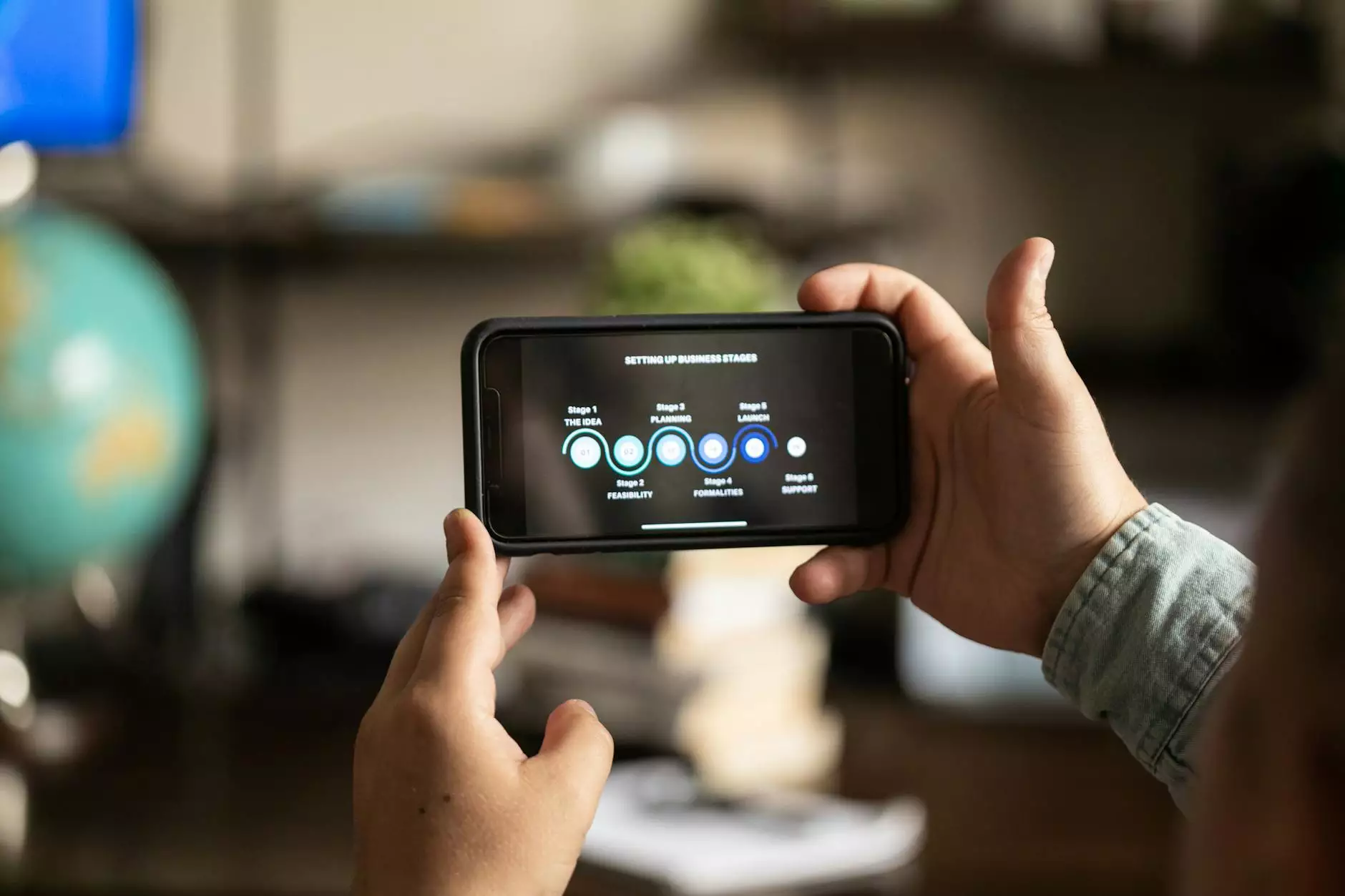
The digital landscape is evolving rapidly, and the demand for innovative applications continues to soar. Building an app with no code is no longer a fantasy; it’s a reality thanks to a range of intuitive platforms and tools available today. This guide will provide you with a step-by-step process to create a functional app without writing a single line of code.
Understanding No-Code Development
No-code development refers to the process of building applications using graphical user interfaces and configuration instead of traditional programming. This approach democratizes app development, allowing individuals with minimal technical expertise to create stunning applications. With no code platforms, anyone with a great idea can turn it into reality.
Benefits of No-Code Development
- Accessibility: No-code platforms enable non-technical individuals to build applications.
- Speed: Develop apps in days or even hours, significantly reducing the time-to-market.
- Cost-Effective: Lower development costs since you won’t need to hire expert developers.
- Flexibility: Easily modify and adapt your application as your business needs change.
- Community Support: Many platforms have extensive communities offering support and resources.
The Process of Building Your No-Code App
Now that you understand what no-code development is, let’s dive into the steps involved in building an app with no code.
Step 1: Define the App Idea
The first step in the app development process is to clarify your app idea. Consider the following questions:
- What problem does your app solve?
- Who is your target audience?
- What features are essential for your minimum viable product (MVP)?
Take your time to conduct thorough market research to validate your idea. Tools like Google Trends or SurveyMonkey can be very helpful in gathering insights from potential users.
Step 2: Choose the Right No-Code Platform
Selecting the appropriate no-code platform is crucial. Factors to consider include:
- User Interface: Opt for a platform with an intuitive and user-friendly interface.
- Features: Ensure the platform supports the functionalities you need.
- Scalability: Choose a platform that grows with your business.
- Integrations: Look for tools that seamlessly integrate with other applications.
Some popular no-code platforms include:
- Bubble: Ideal for building fully customized web applications.
- Adalo: Perfect for creating mobile applications with a drag-and-drop interface.
- Airtable: Excellent for creating data-driven applications.
- Webflow: Great for building responsive websites with dynamic content.
Step 3: Design the User Interface
Your app’s user interface (UI) is crucial for user experience (UX). Consider the following aspects during design:
- Layout: Organize elements for easy navigation.
- Color Scheme: Choose a color palette that reflects your brand identity.
- Typography: Use readable fonts and ensure consistency throughout the app.
- Imagery: Incorporate high-quality images that enhance user engagement.
Most no-code platforms offer various templates and design tools to help you personalize your app effectively.
Step 4: Build Core Features
With the design in place, you can start building the core features of your app. Focus on essential functionalities that align with your MVP. Here are some common features to consider:
- User Authentication: Enable users to create accounts and log in securely.
- Data Management: Implement forms or databases to manage user data.
- Notifications: Use push notifications to keep users engaged.
- Payment Integration: If applicable, integrate secure payment gateways.
Step 5: Test Your App
After building your app, testing is essential to ensure everything functions as expected. Here’s how to approach testing:
- Functional Testing: Verify that all features work as intended.
- Usability Testing: Gather feedback from real users regarding the app’s usability.
- Performance Testing: Check how the app performs under different load conditions.
- Security Testing: Ensure user data is secure and protected against threats.
Step 6: Launch Your App
Once testing is complete and necessary adjustments have been made, it’s time to launch your app. Here’s how to make the launch successful:
- Create a Marketing Plan: Develop a strategy to promote your app and reach your target audience.
- App Store Submission: Submit your app to relevant app stores (iOS or Android) ensuring compliance with their guidelines.
- Feedback Collection: Gather user feedback post-launch to identify areas for improvement.
Best Practices for No-Code App Development
To ensure success in your no-code app development journey, consider these best practices:
- Stay User-Focused: Always prioritize the needs and preferences of your users.
- Iterate and Improve: Use feedback to continuously enhance and update your app.
- Learn from Others: Engage with the no-code community to gain insights and inspiration.
- Keep It Simple: Avoid overcomplicating your app with unnecessary features.
- Document Everything: Maintain thorough documentation on processes, workflows, and changes for future reference.
Conclusion
In conclusion, building an app with no code is an attainable goal for anyone with a creative idea and determination. The no-code revolution empowers entrepreneurs, small business owners, and innovators by making app development accessible and cost-effective. By following the steps outlined in this guide, you can turn your app dream into reality without the need for extensive coding knowledge.
Whether you are an aspiring entrepreneur or a seasoned business owner, leveraging no-code tools like those offered by nandbox.com can significantly enhance your operational efficiency and open new avenues in the mobile space. Embrace the no-code movement and transform your vision into a functional, user-friendly app!
how to build an app with no code