
Understanding the Unilateral Oophorectomy Procedure: A Complete Guide for Women's Reproductive Health
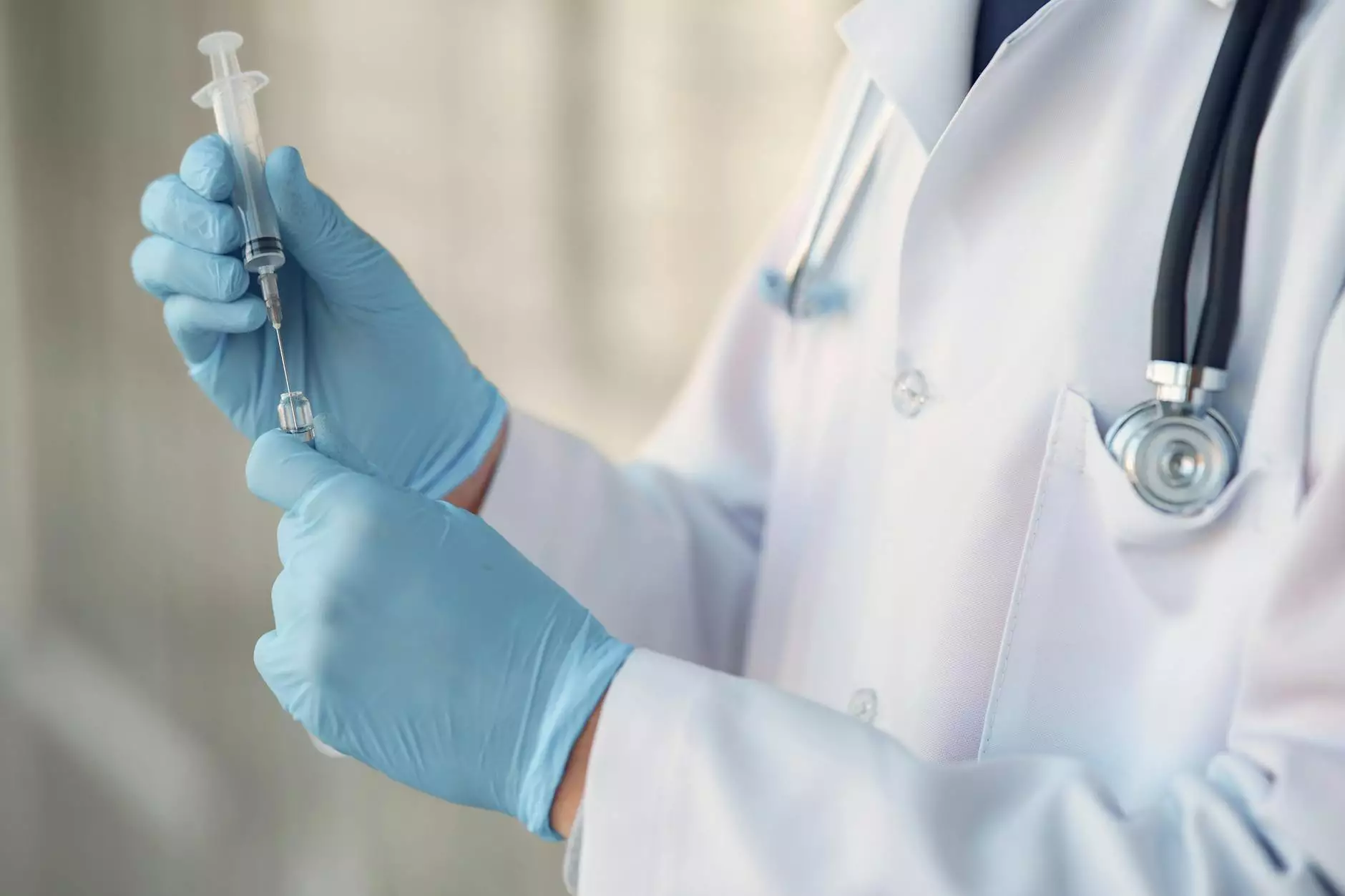
The unilateral oophorectomy procedure is a specialized surgical intervention increasingly performed to address various gynecological conditions affecting women’s ovaries. This procedure involves the removal of one ovary while preserving the other, offering a targeted approach to treat ovarian pathology without compromising overall reproductive potential. In this comprehensive guide, we delve into the intricacies of the unilateral oophorectomy procedure, exploring its indications, surgical techniques, recovery process, and significance in women’s healthcare.
What is a Unilateral Oophorectomy Procedure?
The unilateral oophorectomy is a surgical operation in which one of the ovaries is completely removed. This procedure is performed through various surgical approaches, including open laparotomy, laparoscopic surgery, or robotic-assisted techniques. The primary goal is to excise diseased or damaged ovarian tissue while maintaining the integrity and function of the contralateral ovary and uterus, thus preserving the patient’s hormonal balance and potential for conception.
Indications for Unilateral Oophorectomy
The decision to perform a unilateral oophorectomy is based on a variety of medical indications, primarily related to ovarian pathology, which include:
- Ovarian cysts that are large, persistent, or symptomatic, especially complex cysts or endometriomas
- Ovarian tumors, both benign (such as cystadenomas, fibromas) and malignant (early-stage ovarian cancer)
- Ovarian torsion where the ovary twists, cutting off its blood supply
- Ovarian infections or abscesses refractory to other treatments
- Endometriosis affecting one ovary with significant adhesions or damage
- Pre-emptive removal in patients with high genetic risk factors for ovarian cancer, such as BRCA mutation carriers
The Surgical Techniques of Unilateral Oophorectomy
Technological advances have revolutionized how our specialists approach and perform the unilateral oophorectomy. The choice of technique depends on factors such as the patient's anatomy, underlying pathology, age, and overall health.
Open Laparotomy
This traditional approach involves a larger abdominal incision to access the pelvic organs. Although invasive, it provides excellent visualization, especially for large or complex lesions. It is often reserved for extensive ovarian malignancies or cases requiring comprehensive staging.
Laparoscopic Surgery
The most commonly performed method in modern gynecology, laparoscopic unilateral oophorectomy uses small incisions, a camera, and specialized instruments. Benefits include less postoperative pain, quicker recovery, minimal scarring, and reduced hospital stay. It is highly effective for benign cysts and early-stage tumors.
Robotic-Assisted Surgery
An advanced form of minimally invasive surgery, robotic-assisted unilateral oophorectomy offers enhanced precision and control. It is particularly beneficial in complex cases or when delicacy is paramount, such as in patients with prior abdominal surgeries.
Preoperative Preparation and Considerations
Prior to the unilateral oophorectomy, patients undergo comprehensive evaluation, including imaging studies such as ultrasound or MRI, blood tests, and consultation with a qualified obstetrician & gynecologist. It's crucial to assess ovarian function, hormonal status, and potential malignancy risk. Patients are advised on various aspects such as fasting, medication adjustments, and understanding the procedure’s risks and benefits.
What to Expect During the Procedure
During the unilateral oophorectomy, anesthesia is administered to ensure patient comfort. The surgeon then carefully isolates the ovary, ligates blood vessels, and excises the ovary and associated structures as necessary. Hemostasis is secured, and tissue is sent for pathological assessment if indicated. The procedure duration ranges from 30 minutes to 2 hours, depending on complexity.
Postoperative Care and Recovery
Following the surgery, patients are monitored in a recovery unit. In cases of laparoscopic or robotic procedures, patients typically experience:
- Minimal postoperative pain
- Early mobilization
- Return to normal activities within a week
- Resumption of normal diet
In open surgery cases, recovery may take longer. Patients are advised to follow their surgeon's instructions regarding wound care, activity restrictions, and follow-up appointments. It is essential to report any signs of infection, excessive bleeding, or unusual symptoms promptly.
Long-Term Implications of Unilateral Oophorectomy
While removing one ovary may sound concerning, most women retain normal hormonal function and fertility potential when the other ovary is healthy. The remaining ovary compensates hormonally and can produce eggs, enabling natural conception in many cases. However, some women, particularly those with pre-existing ovarian reserve issues, may experience a decline in ovarian function, which should be discussed with their healthcare provider.
Benefits of Choosing Unilateral Oophorectomy
The advantages of opting for a unilateral oophorectomy include:
- Targeted treatment of ovarian pathology with minimal impact on other reproductive organs
- Preservation of fertility and hormonal balance by retaining the healthy ovary
- Reduced risk of recurrence for ovarian cysts or tumors
- Rapid recovery and minimal scarring with minimally invasive techniques
- Potential for early intervention preventing further complications
The Role of the Expert Obstetricians & Gynecologists at drseckin.com
At drseckin.com, our team of highly skilled Doctors, Obstetricians & Gynecologists specializes in the comprehensive management of women’s reproductive health, including the unilateral oophorectomy procedure. Our facility is equipped with cutting-edge technology, ensuring that every patient receives personalized, safe, and effective care.
Why Choose Us for Your Unilateral Oophorectomy?
- Experience and Expertise in minimally invasive gynecologic surgeries
- Patient-centered approach with detailed consultations and tailored treatment plans
- State-of-the-art facilities leveraging the latest surgical techniques and technology
- Comprehensive care from diagnosis through postoperative follow-up
- Commitment to patient safety and satisfaction
Empowering Women Through Knowledge and Quality Care
Understanding the unilateral oophorectomy procedure empowers women to make informed decisions about their reproductive health. Our goal is to provide thorough, accurate, and empathetic guidance throughout your treatment journey. Whether addressing benign ovarian cysts, complex tumors, or other gynecological concerns, our specialists ensure the highest standards of care to optimize outcomes and quality of life.
Contact Us for Expert Consultation and Treatment
If you are considering or have been recommended for a unilateral oophorectomy, contact drseckin.com/contact to schedule a consultation with our experienced obstetricians and gynecologists. We are dedicated to helping women maintain their reproductive health and well-being with precision, compassion, and excellence.
In conclusion, the unilateral oophorectomy procedure is a vital surgical option in modern gynecological practice. When performed by skilled specialists in a supportive environment, it offers women a chance to effectively address ovarian health issues while maintaining their fertility and hormonal health. Trust our team at drseckin.com for expert care tailored to your unique needs.


